
Discover the Biblical Sabbath
The Sabbath is a gift from God and a meaningful part of His Word. Explore its biblical foundation, purpose, and significance, and discover what Scripture teaches about the seventh day and our relationship with our Creator.
Sabbath and Freedom From Work
The Sabbath gives us time to step away from ordinary work, slow down, and remember that God is our provider and sustainer.
The Sabbath as a Memorial
The Sabbath gives us an opportunity to remember God’s works, reflect on His faithfulness, and strengthen our gratitude and faith.
The Sabbath Fellowship
The Sabbath provides meaningful time for worship, fellowship, prayer, and encouraging one another in God’s Word.
100k+
Happy Prayers
What Is the Sabbath?
A Day Set Apart by God
From the very beginning of creation, God established the seventh day as a special time of rest, blessing, and remembrance. Scripture tells us that after completing His work of creation, God rested on the seventh day, blessed it, and set it apart as holy. The Sabbath therefore has its foundation in creation itself and is not simply a tradition that began with a particular nation or generation.
Throughout the Bible, the Sabbath is presented as an appointed time to pause from our ordinary work, remember our Creator, worship Him, and focus our hearts and minds on His Word. It provides an opportunity to step away from the busyness of everyday life and intentionally draw closer to God through prayer, Scripture, fellowship, and rest.
As we study the biblical Sabbath, we can explore what Scripture says about when it was established, why God made it holy, how it was observed throughout biblical history, and what its significance reveals about God’s relationship with His people. The Sabbath also provides a deeper connection to the broader biblical story and helps us understand important themes of creation, covenant, worship, obedience, and faith.
Take time to explore the Scriptures for yourself and discover the meaning and purpose of the Sabbath according to God’s Word. As you learn more about this day set apart by God, may it encourage you to grow in your understanding of Scripture and strengthen your walk with Him.
Mauris volutpat sit amet lorem et rutrum
Discover What Scripture Says About the Seventh Day
Which Day Is the Biblical Sabbath?
The Bible identifies a specific day as the Sabbath, beginning with God’s work of creation and continuing throughout Scripture. Explore the passages that identify the seventh day and examine how the Sabbath is presented in the Torah, the writings of the prophets, the Gospels, and the early faith. By studying Scripture carefully, you can discover what the Bible itself teaches about the day God set apart.
The Sabbath in Creation
The story of the Sabbath begins with creation. After six days of creating the heavens and the earth, God rested on the seventh day, blessed it, and made it holy. This makes the Sabbath part of the creation account and establishes its importance before the nation of Israel and the giving of the Law. The Sabbath points us back to the One who created everything and reminds us that our lives are not defined only by work, responsibilities, and the demands of everyday life. It gives us an opportunity to pause, remember our Creator, and reflect on His goodness and provision. By studying the creation account, we can better understand why the seventh day was set apart and why it continues to hold an important place within the biblical story.
The Sabbath as a Day of Rest and Worship
The Sabbath provides a dedicated time to step away from ordinary work and focus our attention on God. Throughout Scripture, the Sabbath is associated with rest, worship, remembrance, and fellowship. It offers an opportunity to slow down from the demands of everyday life and intentionally spend time in God's presence. Resting does not simply mean doing nothing. The Sabbath can become a meaningful time for prayer, studying Scripture, worship, fellowship with family and other believers, and reflecting on God's blessings. It reminds us that our identity and worth do not come from how much we accomplish, but ultimately from our relationship with our Creator.
The Sabbath Throughout Scripture
The Sabbath appears throughout the biblical story and continues to be an important theme from Genesis through the Torah, the Prophets, and the Gospels. As we follow the Scriptures, we can see how the Sabbath was given, observed, discussed, and understood by God's people throughout different periods of biblical history. The life and teachings of Jesus (Yeshua) also provide important insight into the Sabbath. The Gospel accounts show Jesus participating in Sabbath activities and teaching about its true purpose and significance. By examining these passages in their biblical context, we can move beyond assumptions and traditions and allow Scripture to guide our understanding of this day that God set apart.
The Sabbath & Jesus (Yeshua)
Jesus (Yeshua) lived and taught within the biblical framework of God’s Word, and the Gospel accounts provide valuable insight into His relationship with the Sabbath. Throughout His ministry, Jesus regularly attended the synagogue on the Sabbath, taught from the Scriptures, and used Sabbath encounters to reveal important truths about God’s purposes. His actions and teachings help us understand that the Sabbath was not simply about a set of outward rules, but about honoring God and understanding the true purpose of the day He established.
Jesus Observed the Sabbath
The Gospels record Jesus participating in Sabbath worship and teaching in the synagogues. Luke 4:16 tells us that it was His custom to enter the synagogue on the Sabbath. These accounts provide an important example of how Jesus lived within the biblical pattern of Sabbath observance.
Jesus did not treat the Sabbath as something insignificant or irrelevant. Instead, He used opportunities on the Sabbath to teach, worship, heal, serve others, and reveal God’s character. His example gives us an opportunity to examine the Sabbath through the life of the Messiah rather than through later traditions or assumptions.
Jesus Taught About the Purpose of the Sabbath
During His ministry, Jesus encountered religious leaders who questioned His actions on the Sabbath. These encounters often centered around healing, helping others, and the interpretation of Sabbath requirements.
In Mark 2:27–28, Jesus taught that “the Sabbath was made for man” and identified Himself as Lord of the Sabbath. His words point toward the Sabbath as a blessing and provision from God rather than an unnecessary burden.
Jesus demonstrated that genuine obedience to God includes mercy, compassion, doing good, and caring for others. His healing miracles on the Sabbath provide examples of this principle. Rather than abolishing the Sabbath, His teachings challenged interpretations that had turned God’s command into a collection of human restrictions.
Jesus and Healing on the Sabbath
Several Gospel accounts describe Jesus healing people on the Sabbath. These events sometimes resulted in conflict with religious leaders who believed such actions violated their understanding of Sabbath observance.
Jesus used these moments to demonstrate that doing good and showing mercy are consistent with God’s purposes. His actions emphasized the value of human life, compassion, and restoration. The Sabbath therefore provides an opportunity to consider not only what we stop doing, but also how we can honor God through love, mercy, worship, and service.
The Sabbath and God's Commandments
The Sabbath is included among the Ten Commandments in Exodus 20:8–11 and Deuteronomy 5:12–15. Jesus repeatedly emphasized the importance of God’s commandments and taught His followers to live according to God’s Word.
Studying Jesus’ teachings alongside the Old Testament Scriptures allows us to see the Sabbath within the larger biblical story. Rather than viewing the Sabbath through isolated passages, we can examine creation, the commandments, the Prophets, the Gospels, and the teachings of Jesus together.
What Can We Learn From Jesus?
The life of Jesus encourages us to approach the Sabbath with a heart focused on God. His example points us toward worship, rest, Scripture, fellowship, mercy, and doing good. It also reminds us to distinguish between God’s commands and human traditions that may have developed around them.
By studying the Sabbath through the life of Jesus (Yeshua), we can gain a deeper understanding of God’s intention for this day and consider how the biblical Sabbath fits within the broader message of Scripture.
Key Scriptures to Study
Genesis 2:2–3
God rests, blesses, and sanctifies the seventh day.
Exodus 20:8–11
The Sabbath commandment.
Deuteronomy 5:12–15
The Sabbath command and its purpose.
Isaiah 58:13–14
Honoring the Sabbath as God's holy day.
Luke 4:16
Jesus' custom of worshiping on the Sabbath.
Mark 2:23–28
Jesus teaches about the purpose of the Sabbath.
Mark 3:1–6
Jesus heals on the Sabbath.
Matthew 12:9–14
Jesus teaches about doing good on the Sabbath.
Luke 13:10–17
Jesus heals on the Sabbath.
John 5:1–18
Jesus heals on the Sabbath and responds to His critics.




The Sabbath & Hebrew Roots
The Sabbath is deeply rooted in the Hebrew Scriptures and the biblical story of creation. From Genesis, where God blessed and set apart the seventh day, through the Torah and the teachings of the Prophets, the Sabbath remains an important part of God’s relationship with His people. Exploring the Sabbath from its Hebrew and biblical context can help us better understand words, customs, commandments, and practices that are sometimes difficult to appreciate through a modern cultural perspective. Studying the original biblical setting allows us to return to Scripture and examine what God established and why the seventh day was made holy.
The Hebrew roots of the faith also provide valuable context for understanding the life and teachings of Jesus (Yeshua). Jesus lived within a Jewish, biblical, and Hebrew cultural setting, observed the Sabbath, attended the synagogue, and taught from the Scriptures. By exploring these Hebrew roots, we can gain a clearer picture of the biblical meaning of the Sabbath and its connection to God’s appointed times, commandments, worship, and covenant relationship. This study invites us to look beyond tradition and cultural assumptions and discover the richness of God’s Word within its original biblical context.


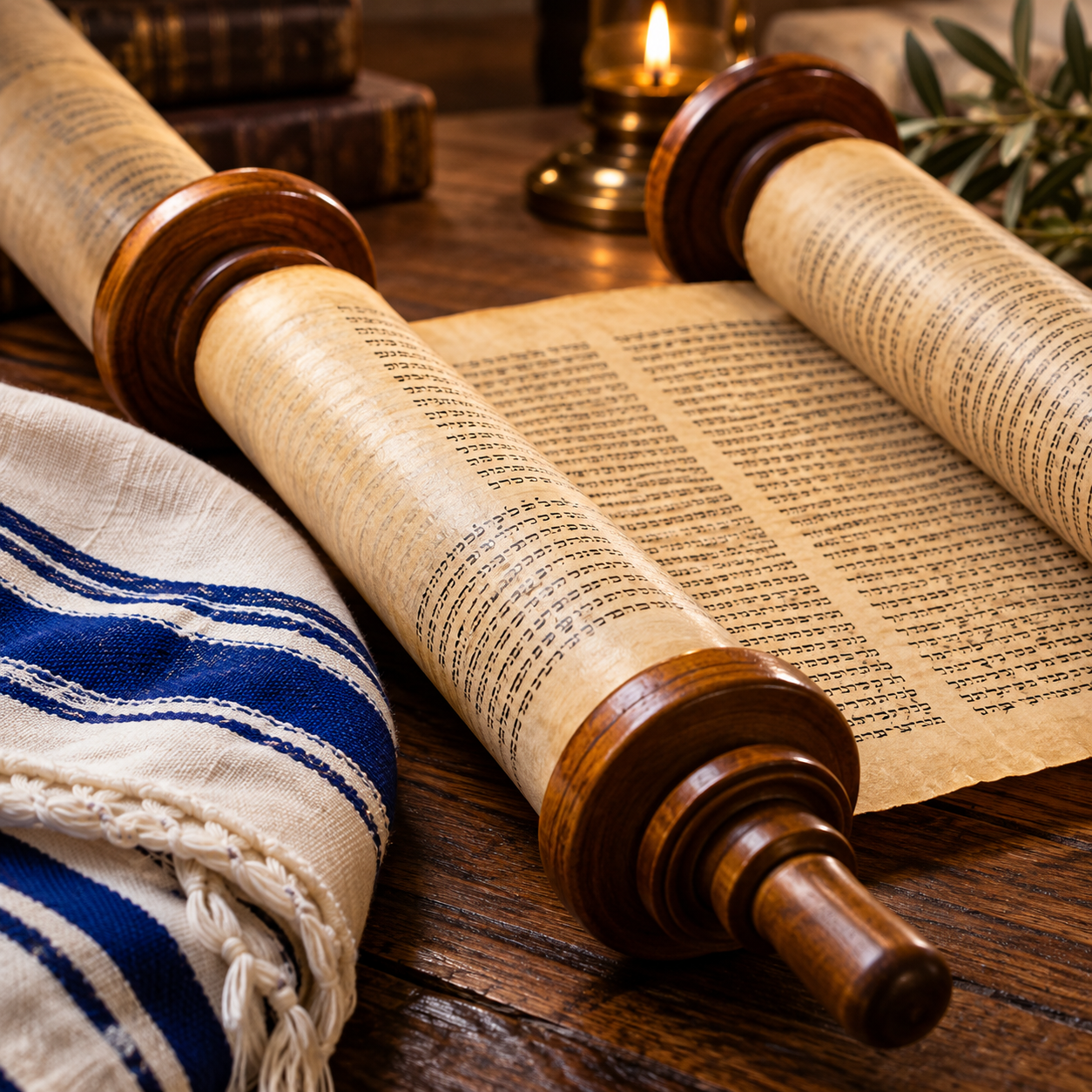

"Remember the Sabbath day, to keep it holy."
— Exodus 20:8
The Sabbath: A Sign of Our Relationship With God
Throughout Scripture, the Sabbath is presented as more than simply a day of physical rest. It is a time set apart for remembering God, honoring Him, and recognizing Him as our Creator and the One who sanctifies His people. The Sabbath calls us to step away from the distractions and demands of everyday life and intentionally focus our hearts on God’s presence, His Word, and His promises.
The Sabbath also reminds us that our relationship with God is built on trust. As we pause from our regular work and activities, we acknowledge that God is our provider and that our lives ultimately depend upon Him. Isaiah 58:13–14 speaks of honoring the Sabbath as a delight, while Exodus 31:13 describes it as a sign between God and His people. By studying these passages, we can discover how the Sabbath points beyond rest itself and invites us into a deeper relationship with our Creator.
“Moreover I also gave them my sabbaths, to be a sign between them and me, that they might know that I am the LORD that sanctify them.”
— Ezekiel 20:12
Finding Rest in a Busy World
Modern life can easily become filled with work, responsibilities, technology, schedules, and constant distractions. The biblical Sabbath provides a regular opportunity to step away from that rhythm and intentionally make space for God. It invites us to slow down, rest from ordinary labor, and focus our attention on things that strengthen our relationship with Him.
The Sabbath can be a time to put aside the pressures of the week and spend meaningful time in Scripture, prayer, worship, family fellowship, and reflection. Instead of seeing rest as something unproductive, we can recognize it as an important part of God’s design for our lives.
The Sabbath Points Us Back to Our Maker
One of the beautiful purposes of the Sabbath is to remind us of creation and the God who made the heavens and the earth. Each week, the seventh day provides an opportunity to pause and remember that everything we have ultimately comes from our Creator. The Sabbath directs our attention away from ourselves and toward the One who gives life, provides for His creation, and calls us to walk according to His Word.
When we remember our Creator, we are also reminded of our place within His creation. The Sabbath encourages humility, gratitude, worship, and trust. It gives us a regular opportunity to reflect on God’s works and to recognize His authority over our lives.
How Can We Honor the Sabbath?
Understanding the Sabbath is only the beginning. Scripture also invites us to consider how we approach this day and how we can use it to honor God. The Sabbath can be intentionally set apart from ordinary work and used as a time for worship, prayer, studying God's Word, fellowship, rest, and doing good to others.
There is no need to approach the Sabbath simply as a list of restrictions. Instead, we can focus on its biblical purpose and seek ways to make the day meaningful and God-centered. As we study Scripture, pray for wisdom, and learn from the example of Jesus (Yeshua), we can develop a deeper appreciation for this time that God has set apart.
The Sabbath and Family
The Sabbath can also provide a valuable opportunity for families to spend intentional time together. Away from the normal demands of the week, families can worship, study Scripture, share meals, talk about God's Word, and encourage one another in faith. These simple moments can help make biblical teaching a natural and meaningful part of everyday life.
Creating Sabbath traditions centered on God can also give children and future generations an opportunity to learn about Scripture and understand why this day is important. Through family worship, Bible study, fellowship, and gratitude, the Sabbath can become a meaningful weekly reminder of God's presence and faithfulness.
Go Deeper Into God's Word
The Sabbath invites us to pause from the ordinary, remember our Creator, and draw closer to Him through His Word. As you continue studying Scripture, discover how the Sabbath connects with the broader biblical story and God’s appointed times. Keep exploring with Keep God’s Word and grow in your understanding of Scripture as you seek to live faithfully according to God’s truth.
100k+
Happy Prayers
Pause From the Week and Refocus on What Matters
A Weekly Invitation to Draw Near to God
Every week brings an opportunity to pause and remember what matters most. The Sabbath invites us to step away from our normal routine and intentionally turn our hearts toward God. It provides space to worship, reflect on His Word, give thanks for His blessings, and renew our focus on our relationship with Him.
Rather than allowing the week to pass without stopping, the Sabbath gives us a recurring opportunity to reconnect with our Creator. As we learn more about its biblical foundation and purpose, we can discover how this appointed day fits within the larger story of God’s Word and encourages us to live with greater faith, gratitude, and purpose.
Mauris volutpat sit amet lorem et rutrum
Sabbath Questions & Answers
What does the Bible say about the Sabbath? +
The Bible introduces the Sabbath in creation, when God rested on the seventh day, blessed it, and made it holy (Genesis 2:2–3). It was later included in the Ten Commandments as a day of rest and remembrance of our Creator (Exodus 20:8–11).
Which day does the Bible identify as the Sabbath? +
Scripture identifies the seventh day as the Sabbath. Genesis 2:2–3 describes God resting on the seventh day, and Exodus 20:10 calls the seventh day the Sabbath of the LORD.
Was the Sabbath established only for Israel? +
The Sabbath was established at creation, before the nation of Israel existed. God blessed and sanctified the seventh day in Genesis 2:2–3, showing that its biblical foundation goes back to creation.
What did Jesus (Yeshua) teach about the Sabbath? +
Jesus taught that “the Sabbath was made for man” (Mark 2:27). He showed through His teachings and actions that the Sabbath is a time to honor God, do good, show mercy, and understand God's purpose for the day.
Why is the Sabbath called the seventh day? +
It is called the seventh day because God completed His work of creation in six days and rested on the seventh (Genesis 2:2–3). The fourth commandment continues this pattern by identifying the seventh day as the Sabbath.
How does the Sabbath relate to God's commandments? +
The Sabbath is included in the Ten Commandments (Exodus 20:8–11). It calls us to remember God as our Creator and to set apart the seventh day for rest and worship.
Is the Sabbath connected to God's appointed feasts? +
Yes. The weekly Sabbath and the annual appointed feasts are both described in Leviticus 23. While they are distinct, studying them together helps us better understand God's appointed times and His biblical calendar.
What does the Sabbath mean for believers today? +
The Sabbath can provide a meaningful time to rest, worship, study God's Word, and draw closer to our Creator. Studying Scripture helps us understand its purpose and significance within the broader biblical story.